Useful links
Home Human-Robot Interaction Robotics Research Advances Robotics in Healthcare Robotic Vision
Home Human-Robot Interaction Robotics Research Advances Robotics in Healthcare Robotic Vision
Category : | Sub Category : Posted on 2023-10-30 21:24:53
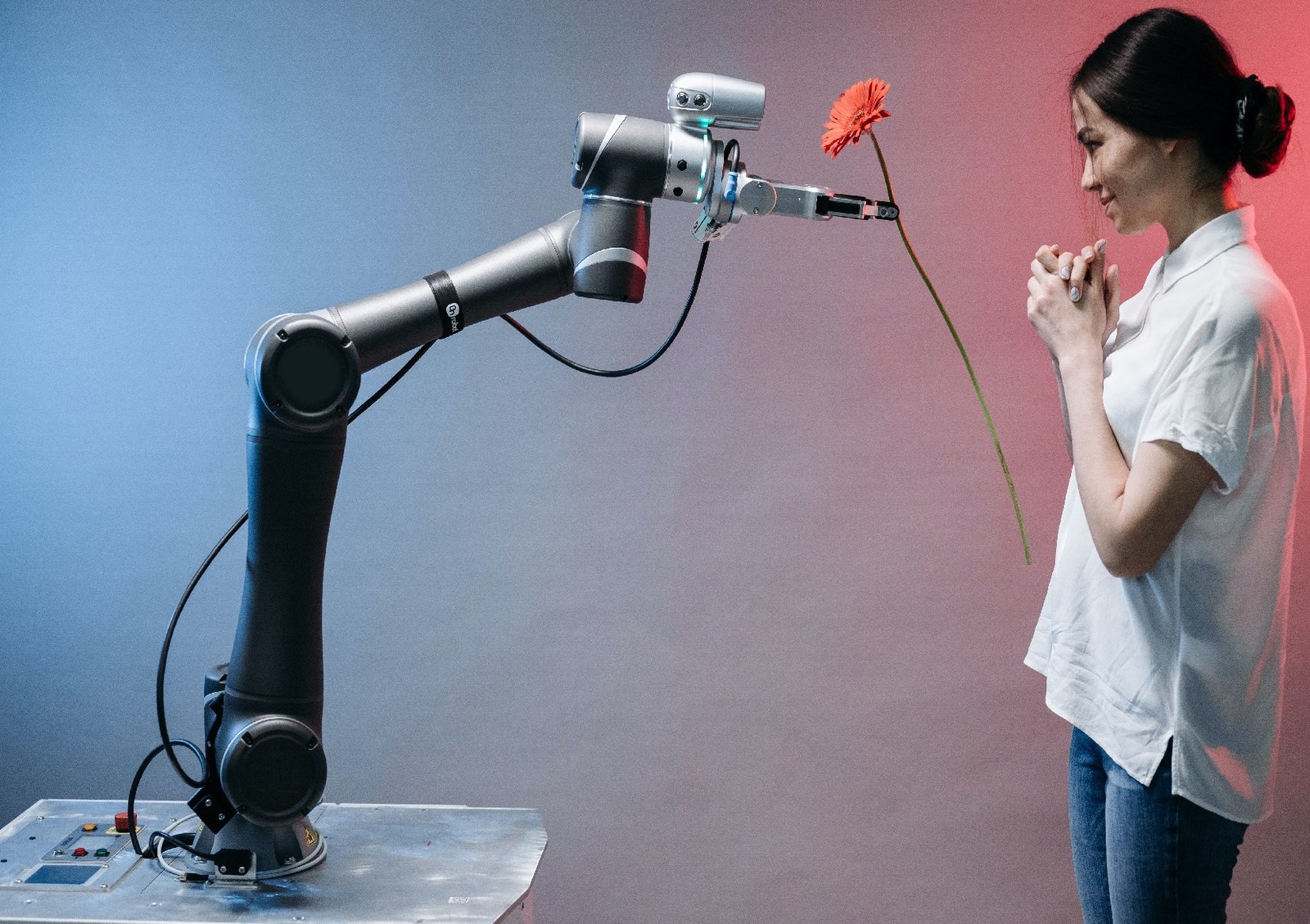
Introduction: Industrial automation has come a long way in recent years, with advancements in technology driving increased efficiency, productivity, and safety in manufacturing processes. One area that is making a significant impact is image processing algorithms. By harnessing the power of these algorithms, industries can improve quality control, reduce errors, and enhance overall operational efficiency. In this blog post, we will explore how image processing algorithms are revolutionizing industrial automation. 1. Quality Control: Ensuring product quality is paramount in any manufacturing industry. With image processing algorithms, quality control processes have become faster, more accurate, and repeatable. These algorithms can analyze images and detect defects or anomalies in real-time, reducing the likelihood of faulty products reaching the market. By automating the quality control process, manufacturers can not only save time and resources but also minimize errors that would traditionally require manual inspection. 2. Object Detection and Recognition: Image processing algorithms enable the detection and recognition of objects with incredible precision and speed. This capability is particularly useful in industries like automotive manufacturing, where robots equipped with cameras can identify and locate specific parts or components on an assembly line. This not only improves efficiency but also enhances the overall accuracy and consistency of the manufacturing process. 3. Predictive Maintenance: Another significant advantage of image processing algorithms in industrial automation is their ability to enable predictive maintenance. By continuously analyzing images of machinery or equipment, these algorithms can detect signs of wear or potential failures before they occur. This proactive approach to maintenance can reduce downtime, prevent costly breakdowns, and ultimately extend the lifespan of critical machinery. 4. Enhanced Safety Measures: Safety is a top priority in any industrial setting, and image processing algorithms are making it even easier to ensure a safe working environment. With the ability to process real-time images, these algorithms can detect potential hazards, such as a person entering a restricted area or the presence of an unauthorized object on the production line. By alerting operators or triggering automated safety measures, image processing algorithms contribute to reducing accidents and injuries in industrial environments. 5. Process Optimization: Optimizing complex manufacturing processes is a challenging task that demands continuous monitoring and analysis. Image processing algorithms allow industries to capture vast amounts of data, process it in real-time, and identify areas for improvement. By analyzing images and identifying bottlenecks or inefficiencies, manufacturers can make data-driven decisions to optimize their processes, streamline operations, and increase overall productivity. Conclusion: Industrial automation powered by image processing algorithms is transforming the manufacturing landscape. From quality control and object detection to predictive maintenance and safety measures, these algorithms are empowering industries to achieve higher levels of efficiency, accuracy, and productivity. As technology continues to advance, the potential of image processing algorithms in industrial automation will only continue to grow. By embracing these innovations, industries can position themselves at the forefront of the fourth industrial revolution and unlock new levels of success. If you are interested you can check http://www.vfeat.com


