Useful links
Home Human-Robot Interaction Robotics Research Advances Robotics in Healthcare Robotic Vision
Home Human-Robot Interaction Robotics Research Advances Robotics in Healthcare Robotic Vision
Category : | Sub Category : Posted on 2023-10-30 21:24:53
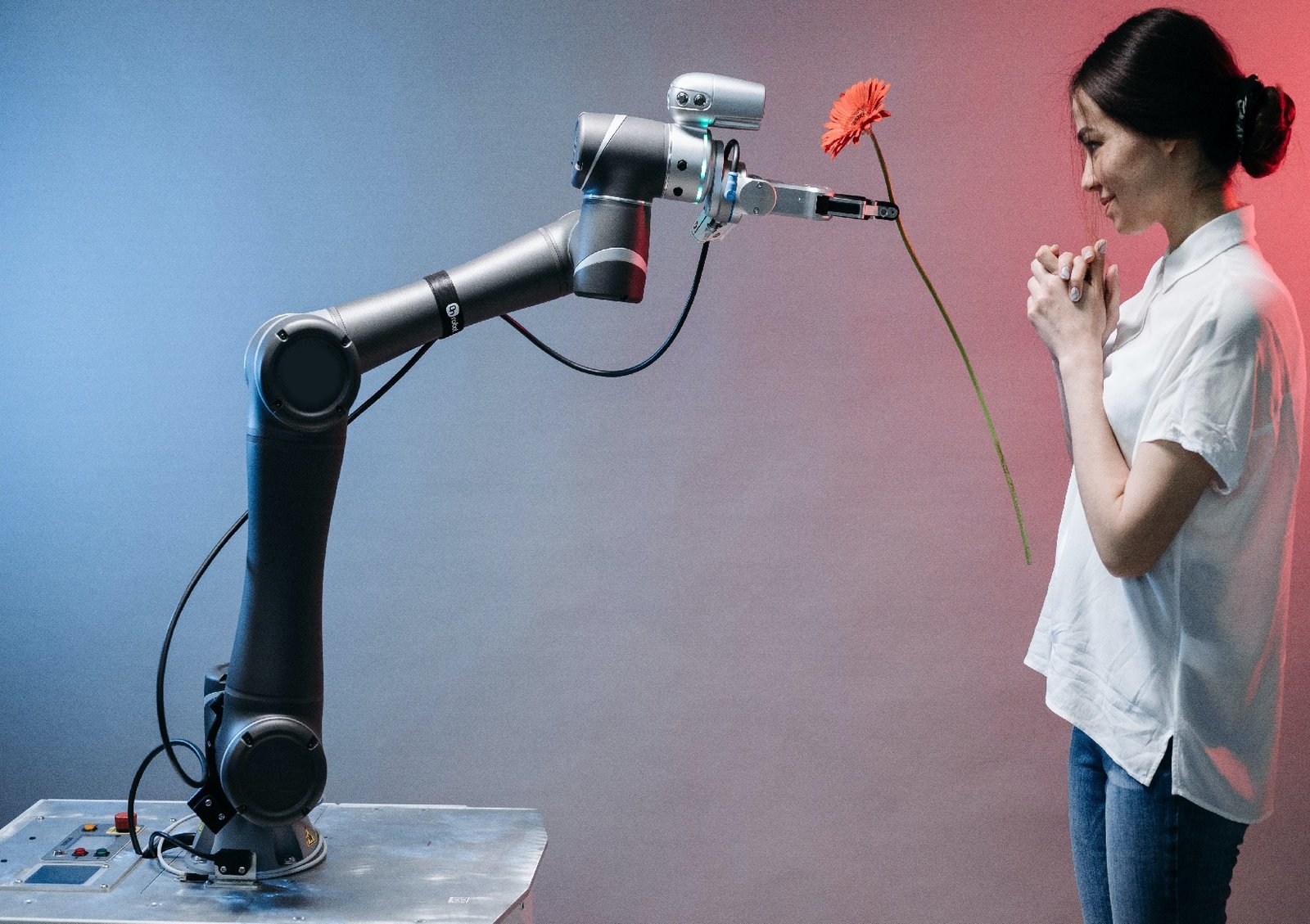
Introduction: In recent years, the reliance on industrial automation in manufacturing processes has grown exponentially. With technologies such as robotics, programmable logic controllers (PLCs), and advanced software systems, companies are transforming their production lines to maximize efficiency, accuracy, and productivity. In this blog post, we will explore the intricacies of programming industrial automation and how it is revolutionizing the manufacturing industry. 1. Understanding Industrial Automation: Industrial automation involves the use of technology and control systems to streamline manufacturing processes. It encompasses a wide range of applications, including assembly lines, material handling, packaging, and quality control. 2. Importance of Programming in Industrial Automation: Programming is at the core of industrial automation as it enables the control and coordination of various machines and systems. Programmers use programming languages, such as ladder logic, structured text, or function block diagram, to create instructions that dictate the behavior of automated machinery. 3. Key Components of Industrial Automation Programming: a. Programmable Logic Controllers (PLCs): PLCs are compact computers that control industrial processes through a combination of hardware and software. Programmed with specific algorithms, PLCs monitor inputs from sensors, process data, and execute commands to control machinery. b. Human-Machine Interface (HMI): The HMI allows operators to interact with the automation system. Through graphical interfaces, operators can monitor and control machinery, view real-time data, and make adjustments as necessary. c. Robotics: Robotics forms a crucial part of industrial automation, primarily in repetitive and labor-intensive tasks. By programming robots, manufacturers can achieve greater precision, productivity, and safety on the factory floor. d. Supervisory Control and Data Acquisition (SCADA): SCADA systems enable monitoring and control of industrial processes from a central location. Through a graphical interface, operators can visualize data from various sensors and make informed decisions to optimize production. 4. Advantages of Programming Industrial Automation: a. Increased Efficiency: Automation eliminates human errors and speeds up processes, reducing production time and increasing output. b. Improved Accuracy: Computer-controlled automation ensures consistent and precise manufacturing, minimizing defects and enhancing product quality. c. Enhanced Safety: Automation can handle hazardous tasks, reducing the risk of accidents and injuries to workers. d. Cost Savings: Automating repetitive tasks results in reduced labor costs, lower maintenance expenses, and minimized material wastage. 5. Challenges of Programming Industrial Automation: a. Technical Complexity: Programming industrial automation requires a deep understanding of the hardware, software, and communication protocols involved. b. Integration Issues: Integrating various systems, such as PLCs, robotics, and SCADA, can pose challenges due to their different programming languages and communication standards. c. Scalability and Flexibility: Industrial automation systems need to be scalable and flexible to adapt to changing production demands or technological advancements. Conclusion: Programming industrial automation is transforming the manufacturing industry, revolutionizing efficiency, productivity, and safety. With advancements in technology and the continuous development of programming languages, industrial automation is poised to play an even more significant role in the future. By embracing automation and investing in skilled programmers, manufacturers can stay competitive, reduce costs, and achieve higher levels of quality and precision in their production processes. click the following link for more information: http://www.lifeafterflex.com also this link is for more information http://www.rubybin.com For an in-depth examination, refer to http://www.droope.org Have a visit at http://www.grauhirn.org


