Useful links
Home Human-Robot Interaction Robotics Research Advances Robotics in Healthcare Robotic Vision
Home Human-Robot Interaction Robotics Research Advances Robotics in Healthcare Robotic Vision
Category : | Sub Category : Posted on 2023-10-30 21:24:53
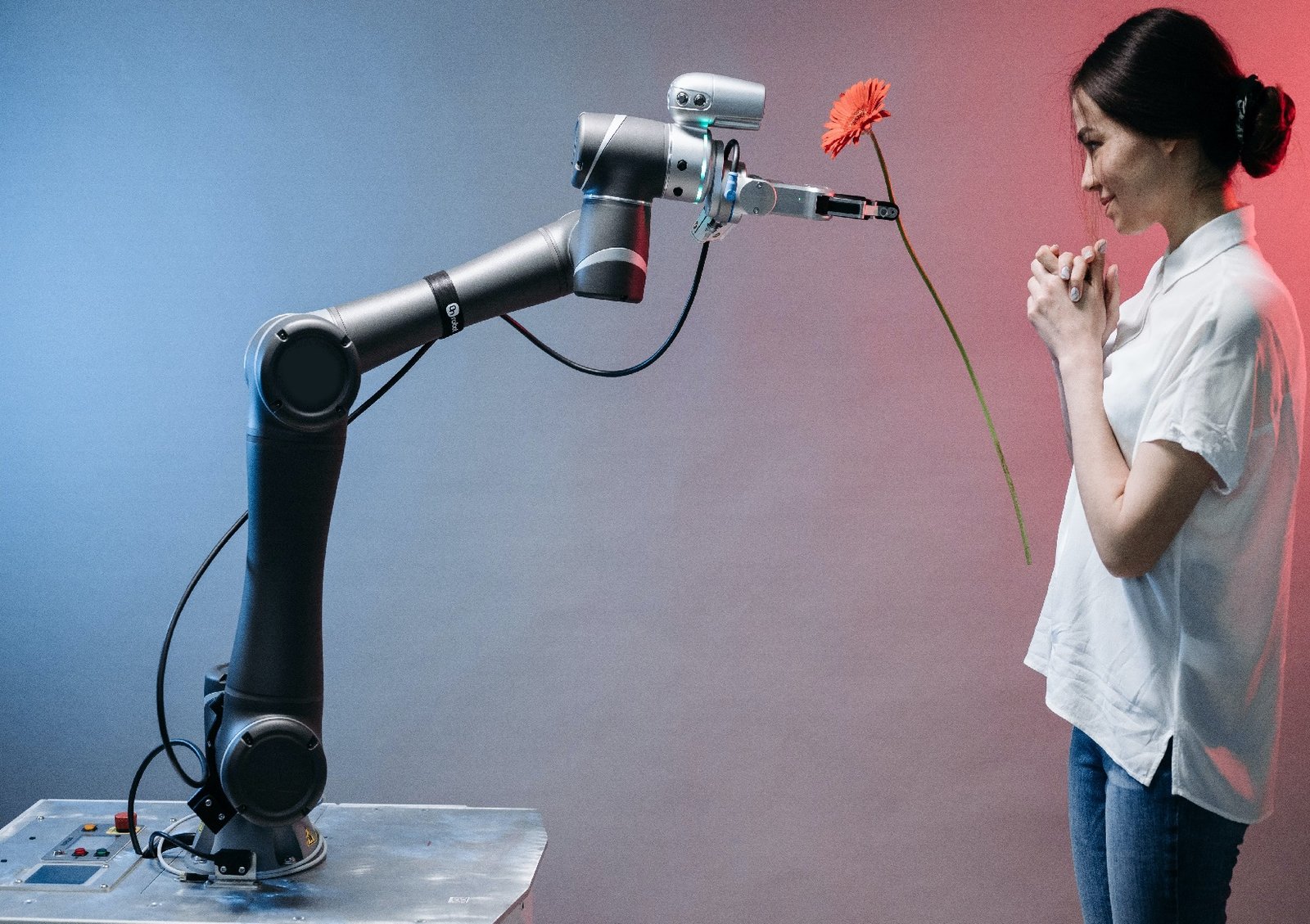
Introduction: As the field of robotics continues to evolve, the integration of artificial intelligence (AI) has played a crucial role in shaping advanced robotics systems. By combining robotics with AI, developers and researchers have been able to create intelligent machines that can perceive, learn, and adapt to their environment. In this blog post, we will explore some of the top robotics artificial intelligence tools and frameworks that are revolutionizing the way robots interact with the world. 1. ROS (Robot Operating System): ROS, short for Robot Operating System, is one of the most popular frameworks used in robotics research and development. It provides a collection of software libraries and tools to help developers build robotic applications. With ROS, developers can seamlessly integrate artificial intelligence algorithms, perception systems, and control mechanisms into their robotic creations. 2. TensorFlow: TensorFlow, an open-source machine learning library, has gained significant popularity in the robotics community for its versatility and extensive capabilities. By leveraging TensorFlow, developers can train and deploy deep learning models that enable robots to perform complex tasks such as object detection, recognition, and manipulation. TensorFlow's flexibility and scalability make it an ideal choice for developing AI-powered robotics solutions. 3. PyTorch: PyTorch is another popular deep learning framework widely used in robotics research. Known for its intuitive interface and dynamic graph computation, PyTorch enables developers to experiment with AI algorithms and models efficiently. By leveraging PyTorch, researchers can train neural networks for perception, decision-making, and control tasks, empowering robots to interact intelligently with their surroundings. 4. OpenCV: OpenCV (Open Source Computer Vision Library) is a powerful tool for computer vision in robotics. It provides a wide range of functions and algorithms that enable robots to process visual data effectively. From image and video analysis to feature detection and tracking, OpenCV equips developers with the necessary tools to implement AI-based vision systems in robotics applications. 5. Gazebo: Gazebo is a widely used 3D robot simulation environment that plays a crucial role in the development and testing of AI-enabled robotic systems. It provides accurate physics simulation, sensor simulation, and rendering capabilities to create realistic virtual environments for robots. Gazebo allows developers to train and evaluate AI algorithms before deploying them on actual hardware, saving time and resources during the development process. 6. Isaac SDK: Isaac SDK, developed by NVIDIA, is a comprehensive software development kit designed for building AI-powered robotics applications. It provides a set of libraries, tools, and frameworks to develop perception, navigation, and manipulation capabilities for robots. Isaac SDK leverages the power of NVIDIA GPUs to accelerate AI computations, enabling robots to process vast amounts of data in real-time. Conclusion: The convergence of robotics and artificial intelligence has opened up new horizons for the development of intelligent machines that can interact with the world in a more intuitive and autonomous way. The tools and frameworks mentioned in this blog post form the foundation of modern robotics AI. As technology progresses, we can expect even more sophisticated tools and frameworks to emerge, further pushing the boundaries of what robots can achieve in terms of intelligence and capabilities. For an in-depth analysis, I recommend reading http://www.thunderact.com also for more info http://www.vfeat.com


