Useful links
Home Human-Robot Interaction Robotics Research Advances Robotics in Healthcare Robotic Vision
Home Human-Robot Interaction Robotics Research Advances Robotics in Healthcare Robotic Vision
Category : | Sub Category : Posted on 2023-10-30 21:24:53
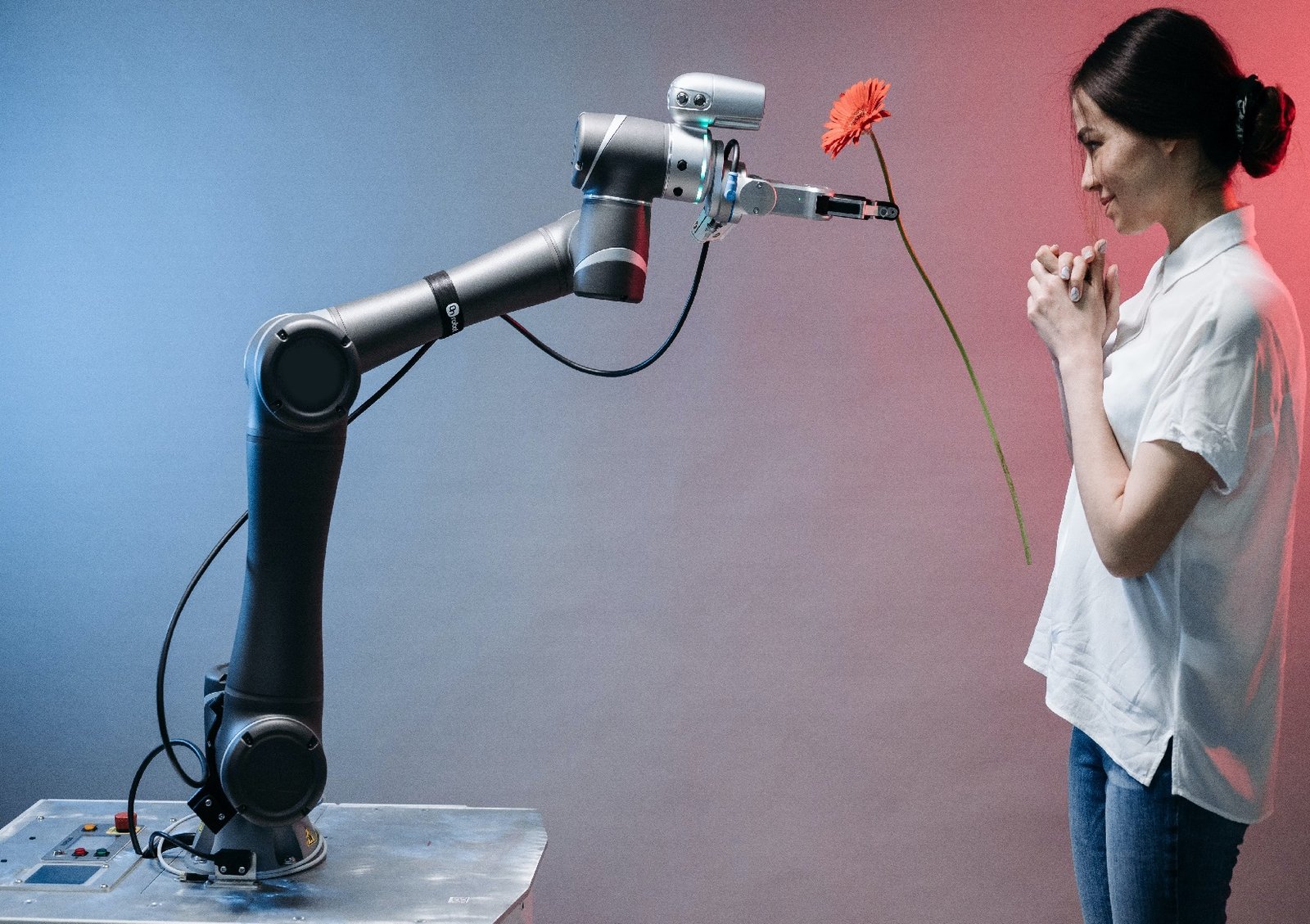
Introduction: Advancements in robotics have revolutionized various industries, from manufacturing to healthcare. one of the key factors driving this transformation is computer vision technology. Computer vision allows robots to perceive and understand their environment, enabling them to complete complex tasks with precision and accuracy. In this blog post, we will explore how computer vision is shaping the future of robotics and the endless possibilities it offers. Understanding Computer Vision: Computer vision involves teaching machines to see and understand the visual world similar to how humans do. It relies on algorithms and models that analyze and interpret visual data, such as images and videos. By extracting valuable information from visual inputs, robots equipped with computer vision capabilities can make informed decisions and perform tasks effectively. Applications of Robotics Computer Vision: 1. Object Recognition and Localization: Computer vision enables robots to identify and locate objects in their surroundings. This ability is crucial in many applications, such as pick-and-place tasks in warehouses and manufacturing facilities. Robots can accurately identify different items, even in cluttered environments, leading to increased efficiency and productivity. 2. Navigation and Mapping: With computer vision, robots can navigate autonomously and create detailed maps of their environment. They can understand the layout of a space, detect obstacles, and plan the optimal path to reach their destination. This technology is particularly useful in autonomous drones, self-driving cars, and delivery robots. 3. Quality Control and Inspection: In industries where precision is essential, computer vision can play a vital role in quality control processes. Robots equipped with computer vision algorithms can identify defects, measure dimensions, and ensure consistent product standards. This improves efficiency and reduces human error in tasks such as assembly line inspection and product packaging. 4. Human-Robot Interaction: Computer vision allows robots to recognize and understand human gestures, expressions, and movements. This capability enhances collaboration between humans and robots in various scenarios, such as collaborative manufacturing, healthcare assistance, and service robotics. Robots can respond to human cues, improving safety and efficiency in human-centric environments. Challenges and Future Developments: While computer vision in robotics has made significant strides, several challenges still need to be addressed. For instance, handling occlusions, varying lighting conditions, and complex scenes remain ongoing research areas. Engineers and researchers are constantly developing new algorithms and techniques to overcome these obstacles and improve the accuracy and reliability of computer vision systems. The future of robotics computer vision is promising. Integration with artificial intelligence and machine learning allows robots to learn and adapt their vision capabilities over time. This enables them to recognize new objects, environments, and even perform tasks that were not initially programmed. Conclusion: Computer vision technology is revolutionizing the robotics industry, unlocking a new era of automation. By enabling robots to perceive and understand their surroundings, computer vision enhances their capabilities and makes them more versatile and effective in various applications. From manufacturing to healthcare, computer vision is shaping the future of robotics, offering endless possibilities for improved productivity, efficiency, and human-robot collaboration. For the latest insights, read: http://www.thunderact.com Discover new insights by reading http://www.vfeat.com


