Useful links
Home Human-Robot Interaction Robotics Research Advances Robotics in Healthcare Robotic Vision
Home Human-Robot Interaction Robotics Research Advances Robotics in Healthcare Robotic Vision
Category : | Sub Category : Posted on 2023-10-30 21:24:53
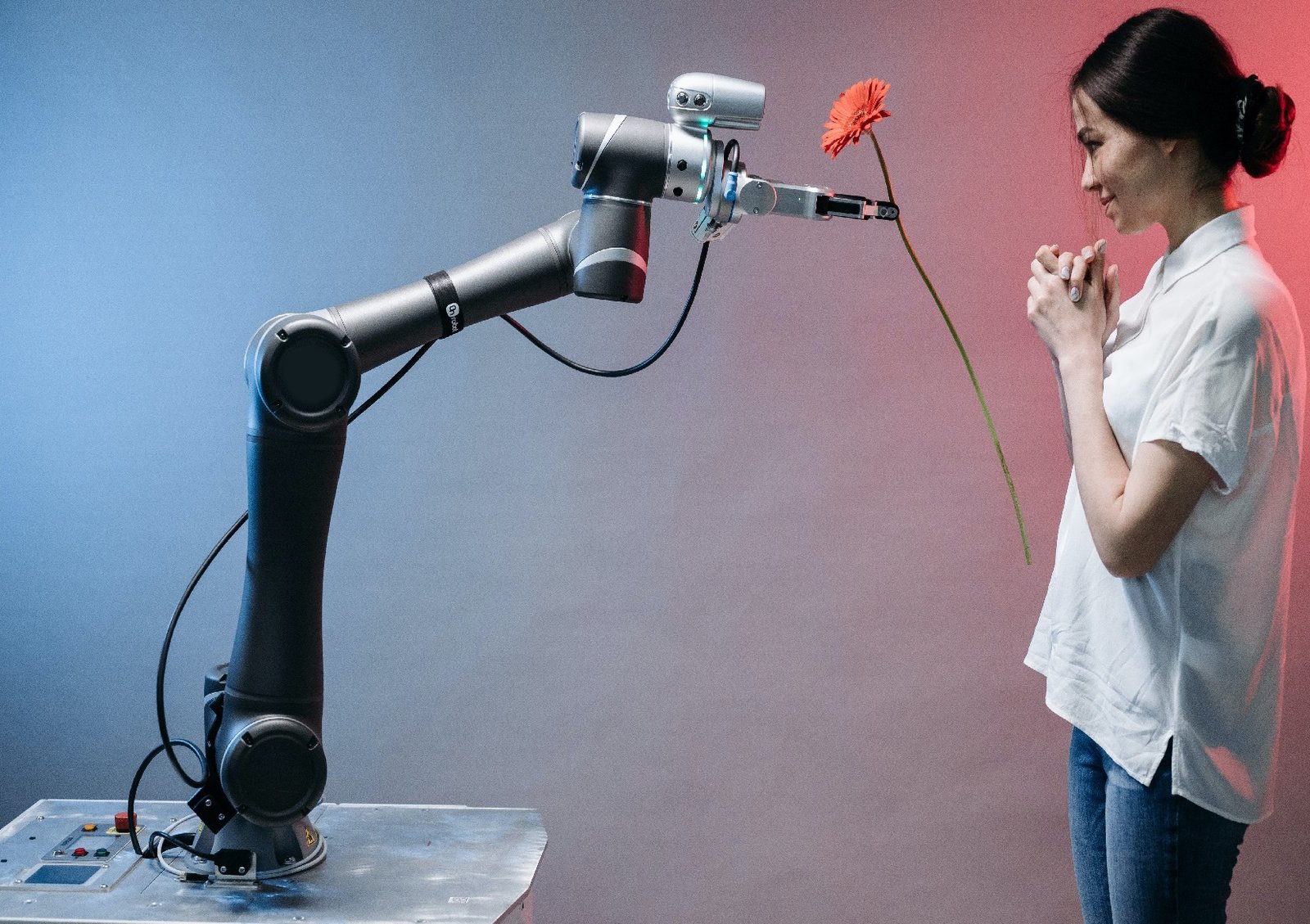
Introduction: In recent years, robotics has seen tremendous advancements, with robots becoming an integral part of various industries. One of the essential technologies driving this progress is computer vision algorithms. These algorithms enable robots to perceive and interpret visual data like never before, revolutionizing their capabilities and opening up countless possibilities in fields such as healthcare, manufacturing, agriculture, and more. In this article, we will explore the incredible potential of robotics computer vision algorithms and the impact they are making on society. 1. Understanding Computer Vision Algorithms: Computer vision algorithms primarily focus on allowing machines to analyze, understand, and interpret visual information. By capturing and processing visual data from cameras and sensors, robots equipped with computer vision algorithms gain the ability to perceive their surroundings and navigate through complex environments. 2. Object Detection and Recognition: Computer vision algorithms enable robots to detect and recognize objects in real-time. By leveraging advanced deep learning models and techniques such as convolutional neural networks (CNNs), robots can identify and classify various objects accurately. This capability proves invaluable in tasks such as picking and placing objects, quality control in manufacturing, and even assisting in medical procedures. 3. Scene Understanding and Navigation: With computer vision algorithms, robots can understand the environment they operate in and navigate autonomously. By extracting relevant features from the visual data, such as edges, shapes, and textures, robots can create 3D maps of their surroundings. This allows them to plan their movements, avoid obstacles, and efficiently execute complex tasks, making them suitable for applications such as warehouse automation and autonomous vehicles. 4. Facial Recognition and Emotion Detection: Facial recognition and emotion detection are applications of computer vision algorithms that have gained significant attention. Robots equipped with facial recognition capabilities can identify individuals and adapt their behavior accordingly. Moreover, by combining computer vision algorithms with machine learning, robots can also detect emotions, enabling them to provide empathetic and personalized interactions in healthcare and customer service domains. 5. Robotics in Healthcare: Computer vision algorithms are transforming the healthcare industry by automating tedious tasks, improving efficiency, and enhancing patient care. Robots can assist in surgical procedures by accurately identifying anatomical structures and guiding surgeons with precision. They can also monitor patients, detect signs of distress, and provide real-time data to healthcare providers, optimizing the delivery of medical services. 6. Robotics in Manufacturing: Computer vision algorithms play a vital role in enabling robots to perform complex assembly tasks. Robots equipped with vision systems can quickly identify and locate components, ensuring accurate and efficient manufacturing processes. Computer vision algorithms also enable quality control and defect detection by analyzing products for inconsistencies, reducing waste, and increasing productivity. Conclusion: The integration of computer vision algorithms into robotics has unlocked immense potential and paved the way for an entirely new era of automation. From healthcare to manufacturing, robots equipped with computer vision capabilities are revolutionizing industries and positively impacting society. As technology continues to advance, we can expect even more powerful computer vision algorithms to be developed, further enhancing the capabilities of robots and enabling them to tackle even more complex and diverse tasks. For valuable insights, consult http://www.thunderact.com For a comprehensive overview, don't miss: http://www.vfeat.com


