Useful links
Home Human-Robot Interaction Robotics Research Advances Robotics in Healthcare Robotic Vision
Home Human-Robot Interaction Robotics Research Advances Robotics in Healthcare Robotic Vision
Category : | Sub Category : Posted on 2023-10-30 21:24:53
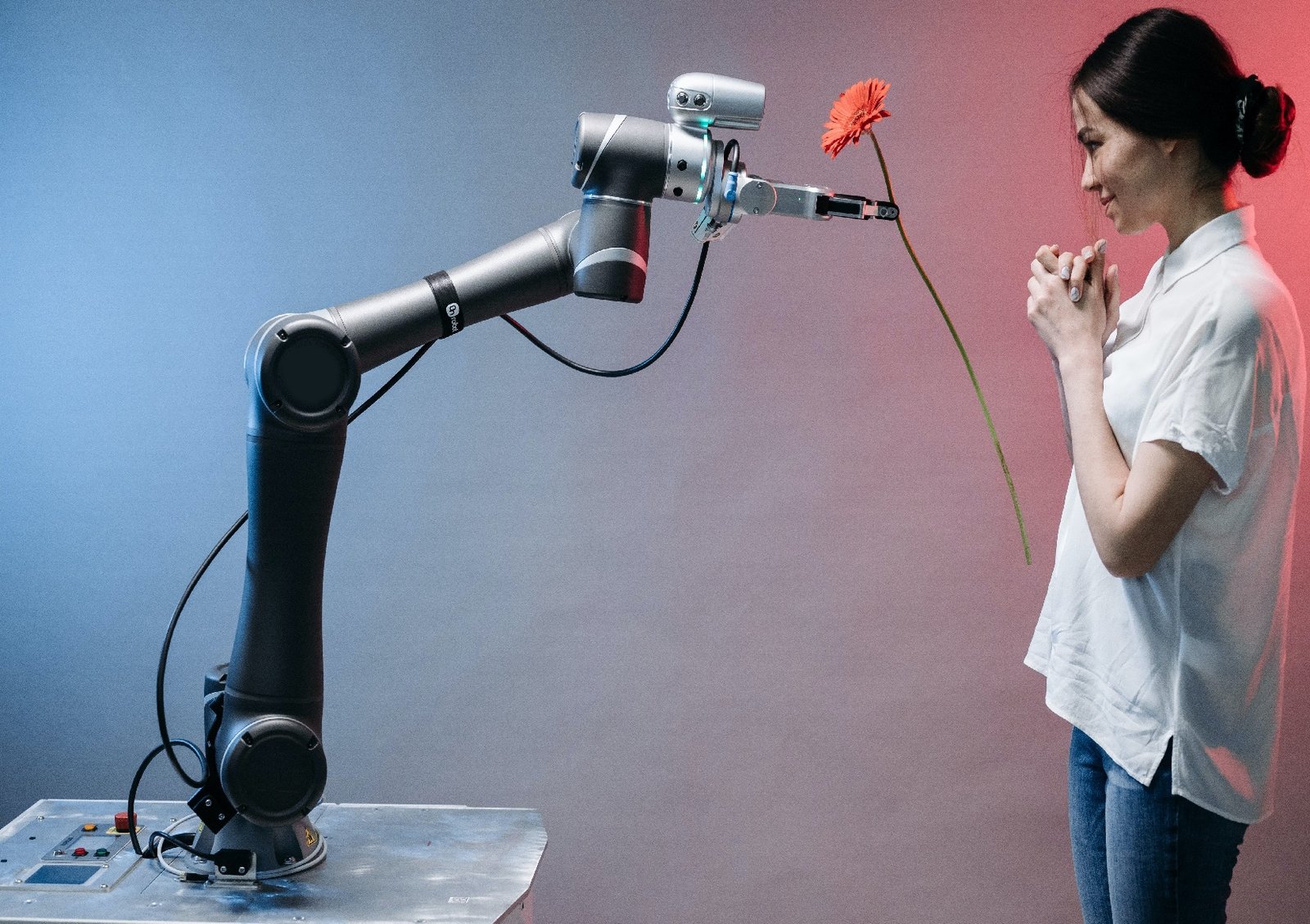
Introduction: In today's ever-evolving technological landscape, robotics is making remarkable strides. From automated manufacturing processes to advanced medical procedures, robots have become integral to various industries. However, as robotics becomes more prevalent, an important consideration arises: electromagnetic compatibility (EMC). In this blog post, we will explore the significance of EMC in robotics and discover how it influences the performance and safety of these cutting-edge machines. What is Electromagnetic Compatibility (EMC)? Electromagnetic compatibility refers to a device's ability to operate effectively and without interference in an electromagnetic environment. In simpler terms, it ensures that electronic devices can function safely, without causing interference to other devices or being affected by electromagnetic sources in their surroundings. In the context of robotics, EMC plays a crucial role in minimizing electromagnetic interference (EMI) and optimizing the overall performance and functionality of robotic systems. The Importance of EMC in Robotics: 1. Safety: Robots often operate in close proximity to humans, making safety a paramount concern. An EMC-compliant robot is designed to limit any electromagnetic emissions that could potentially interfere with critical systems, such as medical equipment or sensitive electronic devices, ensuring the protection of human operators and patients. 2. Reliability: Robots are complex machines with numerous electronic components. Without proper EMC measures, they can be vulnerable to electromagnetic interference, which may result in operational malfunctions and compromised reliability. Compliance with EMC standards ensures the reliability of robot systems, minimizing the risk of performance degradation or unexpected shutdowns. 3. Coexistence with other devices: Robots often work alongside various other electronic devices, such as wireless communication systems or industrial machinery. Failure to address EMC concerns can lead to communication errors, signal disruptions, or even complete system failures. By ensuring electromagnetic compatibility, harmonious coexistence with other devices is achieved, preventing any undesirable effects and optimizing overall operational efficiency. EMC Challenges in Robotics: 1. Electromagnetic emissions: Robots generate various electromagnetic emissions through their electrical systems and motors. Minimizing these emissions requires careful engineering and design considerations, such as shielding cables or using appropriate electronics components that limit electromagnetic fields. 2. Electromagnetic susceptibility: On the other hand, robots are also susceptible to external electromagnetic disturbances, such as radio frequency interference (RFI) or electromagnetic pulses. Integrating shielding techniques and filtering components can help mitigate the adverse effects of these external disturbances, ensuring robust and reliable robotic operations. 3. Compliance with standards: To address EMC challenges effectively, robotics manufacturers must adhere to established EMC standards and regulations. Standards such as the International Electrotechnical Commission (IEC) 61000 series provide guidelines for assessing and validating the EMC performance of robots, ensuring their electromagnetic compatibility across a wide range of operating conditions. Conclusion: As robotics becomes increasingly prevalent in our society, understanding and addressing electromagnetic compatibility challenges is crucial. By prioritizing EMC, robotics manufacturers can ensure the safety, reliability, and coexistence of robots with other electronic devices. Ultimately, electromagnetic compatibility empowers us to unleash the full potential of robotics, making way for a future where robots seamlessly integrate into our lives, transforming industries and enhancing productivity. More in http://www.mntelectronics.com


