Useful links
Home Human-Robot Interaction Robotics Research Advances Robotics in Healthcare Robotic Vision
Home Human-Robot Interaction Robotics Research Advances Robotics in Healthcare Robotic Vision
Category : | Sub Category : Posted on 2023-10-30 21:24:53
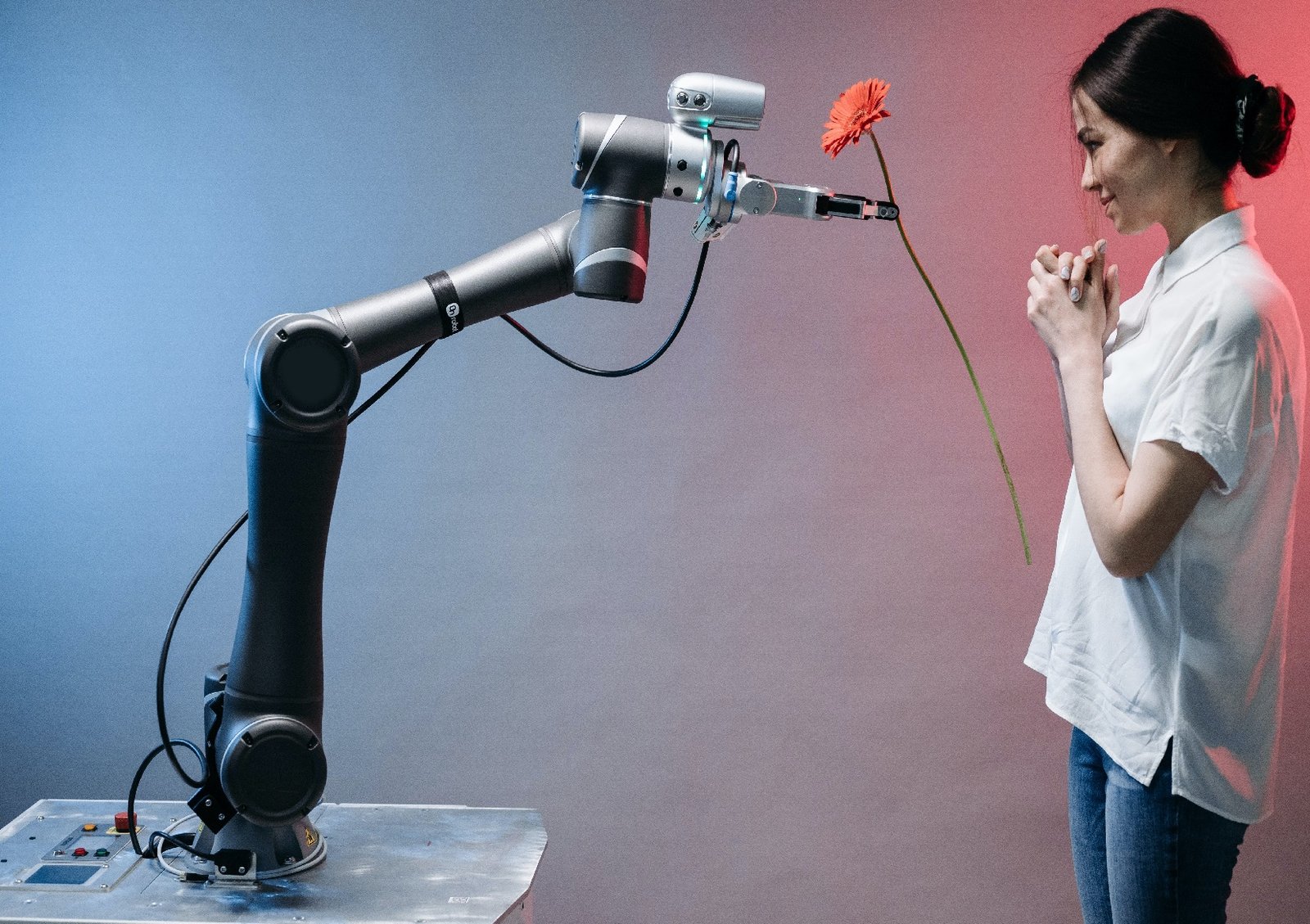
Introduction: Robotics has always fascinated humanity. From ancient tales of mechanical beings to the advanced technology we have today, the concept of robots has captivated our imagination for centuries. However, along the way, several historical misconceptions have emerged, distorting our understanding of the field. In this blog post, we will debunk some of these misconceptions and shed light on the true history of robotics. Misconception 1: The Creation of the First Robot Contrary to popular belief, the first robot was not created in the 20th century. The origins of robotics can be traced back to ancient civilizations. In ancient Egypt, for instance, the "Mechanical Servant" was a wooden automation that could pour water into a cup. Similarly, in ancient Greece, Archytas of Tarentum constructed a steam-powered, dove-shaped device that moved on its own. These early creations laid the foundation for the development of robots as we know them today. Misconception 2: Robots Exclusively Belong to Science Fiction Another common misconception is that robots are solely a product of science fiction. While science fiction literature and movies popularized the concept of robots, it is essential to distinguish between fictional representations and real-world developments. In fact, the term "robot" was coined by the Czech playwright Karel apek in his 1920 play "R.U.R." (Rossum's Universal Robots). Though these imaginary robots have captured our imagination, they should not overshadow the genuine advancements made in the field throughout history. Misconception 3: Robotics Only Advanced in Recent Times The invention of robots is not exclusive to modern times. The field of robotics has seen remarkable advancements in many historical periods. For instance, during the Islamic Golden Age in the 8th to 14th centuries, Muslim scholars developed automatons capable of complex movements. Al-Jazari, an engineer and polymath of the time, created numerous automaton designs, including the famous Elephant Clock that featured automatized figures and mechanical movements. Misconception 4: Robotics Is an Independent Field of Study Contrary to popular belief, robotics is not an isolated scientific discipline. It is a multidisciplinary field that combines elements of engineering, computer science, artificial intelligence, and many other related disciplines. The study of robotics encompasses a wide range of expertise, such as mechanical design, control systems, sensors, and machine learning. Successful robots are the result of collaborative efforts and the integration of various scientific fields. Conclusion: Understanding the true history of robotics helps debunk common misconceptions that surround this fascinating field. From ancient automatons to the modern humanoid robots, the development of robotics has been a continuous process driven by human ingenuity. By exploring the origins of robotics and dispelling misconceptions, we can embrace the full spectrum of its potential and appreciate its impact on society both historically and in our present-day lives. Let us celebrate the achievements of robotics while remaining grounded in an accurate understanding of its development over time. also visit the following website http://www.semifake.com


