Useful links
Home Human-Robot Interaction Robotics Research Advances Robotics in Healthcare Robotic Vision
Home Human-Robot Interaction Robotics Research Advances Robotics in Healthcare Robotic Vision
Category : | Sub Category : Posted on 2023-10-30 21:24:53
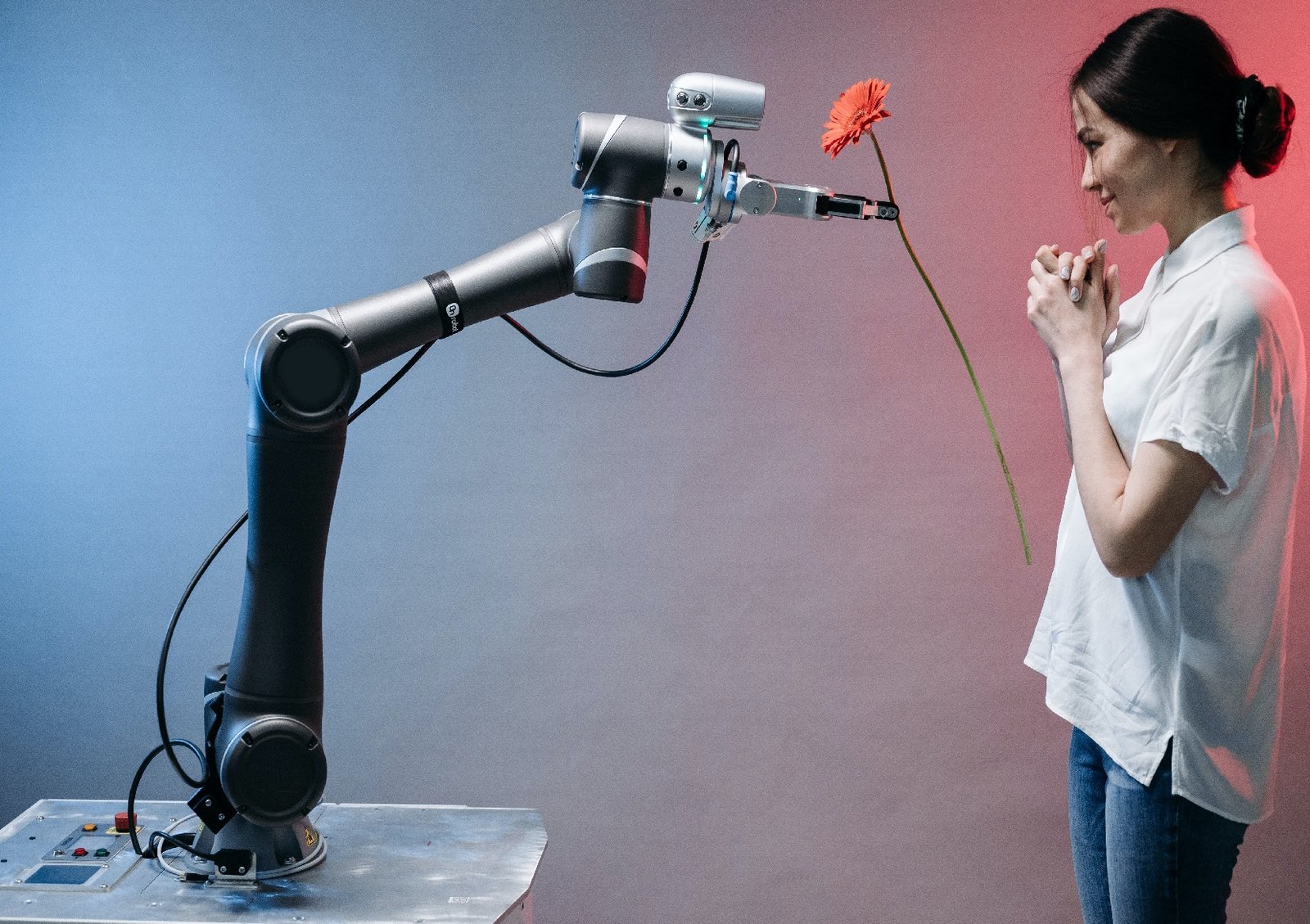
Introduction: In recent years, advancements in robotics have been transforming various industries, from manufacturing and healthcare to agriculture and space exploration. One key area where robotics have made significant strides is in computer vision, allowing robots to perceive and analyze their surroundings efficiently. An essential component of computer vision for robotics is the MSER (Maximally Stable Extremal Regions) algorithm for processing images. In this article, we will explore how the MSER algorithm is revolutionizing the field of robotics and its applications in different industries. Understanding the MSER Algorithm: The MSER algorithm is a powerful tool used to detect regions of interest in images. It identifies those regions that remain stable under different image transformations, such as changes in scale, rotation, and illumination. These regions, called "extremal regions," are areas with consistent intensity values that significantly contrast their environment. By analyzing these stable regions, robots can effectively perceive objects, identify shapes, and navigate their surroundings. Applications in Robotics: 1. Object Recognition and Localization: Robotics equipped with the MSER algorithm can accurately recognize and localize objects in complex scenes. By identifying stable regions of interest within an image, robots can analyze the shape, color, and texture of objects, allowing them to identify and differentiate between various items. 2. Navigation and Mapping: MSER algorithm plays a crucial role in mapping and navigation tasks for robots. By identifying stable regions in images, robots can create detailed maps of their environment, including obstacles, landmarks, and reference points. This information aids in path planning and collision avoidance, enabling robots to navigate safely and efficiently. 3. Autonomous Inspection and Quality Control: In industries like manufacturing and agriculture, robotics with the MSER algorithm can perform automated inspection tasks with remarkable precision. By analyzing stable regions in images, robots can detect defects, anomalies, or deviations from the norm, ensuring consistent quality control and reducing the risk of human error. 4. Augmented Reality and Human-Robot Interaction: The MSER algorithm is also essential in applications involving augmented reality and human-robot interaction. By tracking stable regions or features in real-time, robots can overlay graphics or information onto the physical world, enhancing the user experience. Additionally, by perceiving stable regions on humans, robots can better interpret gestures, expressions, and body language, leading to improved communication and collaboration. Challenges and Future Developments: While the MSER algorithm has proven to be versatile and beneficial in robotics, there are still challenges to overcome. Real-time processing speed, handling complex scenes, and dealing with occlusions are some of the ongoing research areas. However, with advancements in computational power and machine learning algorithms, we can expect further improvements in the robustness and efficiency of the MSER algorithm. Conclusion: The integration of the MSER algorithm into robotics has significantly enhanced their perception capabilities. By detecting stable regions of interest in images, robots can recognize objects, navigate their surroundings, conduct inspections, and interact with humans more effectively. As robotics continue to evolve, the MSER algorithm will continue to play a vital role in enabling them to perceive and understand the world around them. With ongoing developments, we can expect even more exciting applications of this algorithm in various industries, pushing the boundaries of robotics further. For an alternative viewpoint, explore http://www.vfeat.com


