Useful links
Home Human-Robot Interaction Robotics Research Advances Robotics in Healthcare Robotic Vision
Home Human-Robot Interaction Robotics Research Advances Robotics in Healthcare Robotic Vision
Category : | Sub Category : Posted on 2023-10-30 21:24:53
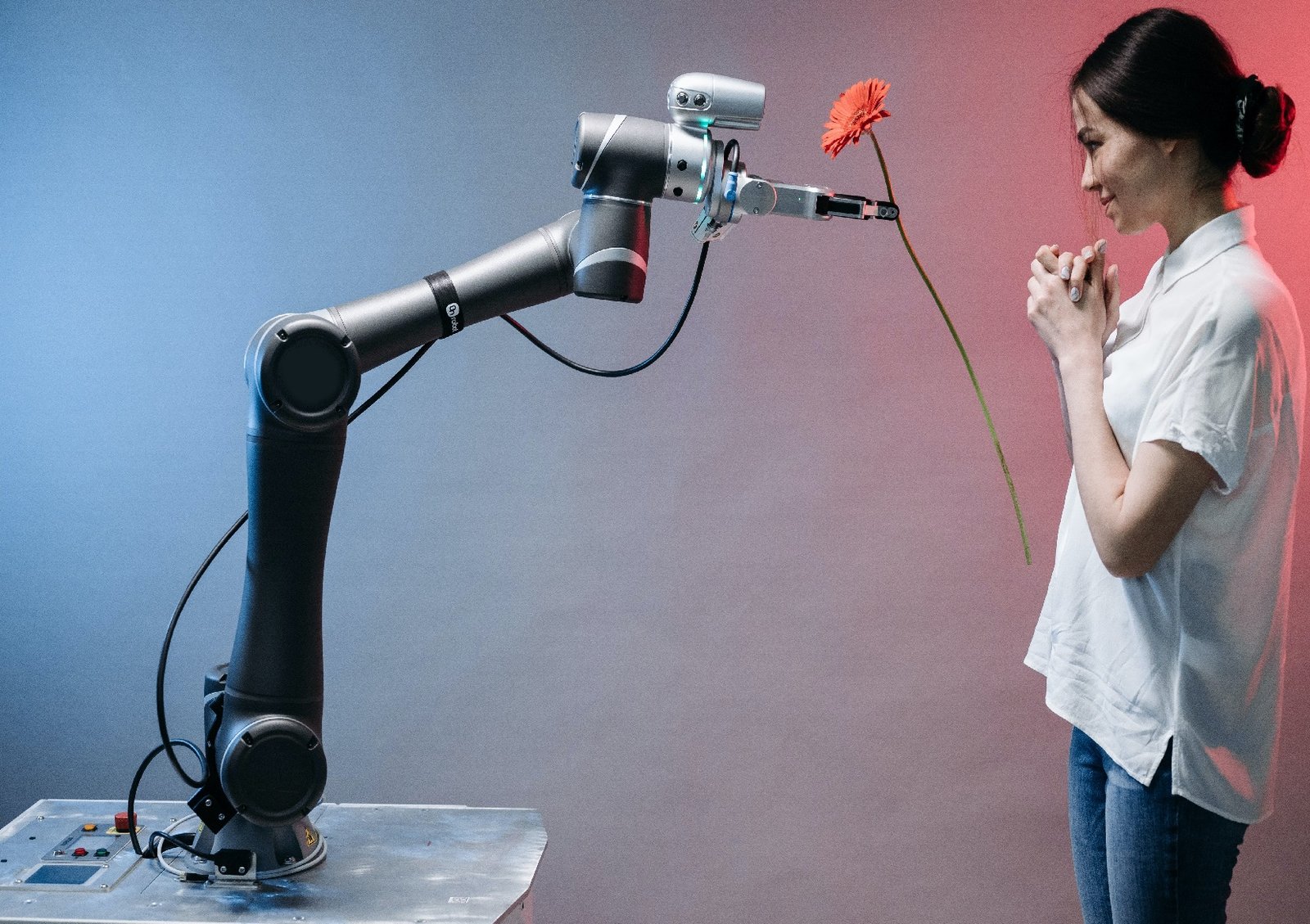
Introduction: As robotics technology continues to evolve at an unprecedented rate, so does the need for robust testing frameworks that can ensure the efficiency and reliability of these incredible machines. The complexities involved in testing robots necessitate the use of advanced automation frameworks. In this blog post, we will explore the top robotics test automation frameworks and how they can revolutionize the way you test your robotic systems. 1. Robot Framework: One of the most popular open-source automation frameworks for robotics testing is the Robot Framework. It provides a highly readable, keyword-driven syntax that makes it easy to create test cases for complex robotic systems. With its extensive library of pre-built test libraries and support for various programming languages, the Robot Framework offers flexibility and scalability. 2. ROS-Test: Robot Operating System (ROS) is widely used in the robotics industry, and ROS-Test is a perfect fit for testing ROS-based robots. This framework provides a comprehensive set of testing tools, including unit tests, integration tests, and system tests. With ROS-Test, you can simulate various robot behaviors and interactions, making it ideal for testing autonomous robots. 3. Gazebo: Gazebo is a powerful simulation environment that can be used to test and validate robotic systems before deployment. Integrating Gazebo with other robotics test automation frameworks allows developers to create realistic test scenarios that mimic real-world situations. Gazebo's physics-based simulation engine makes it possible to evaluate robot performance and identify potential issues early in the development process. 4. PyTest: PyTest is a popular testing framework in Python that can be leveraged for robotics testing. It offers a simple and intuitive way to define test cases and fixtures, making it easy to write and maintain test automation scripts. PyTest's extensive plugin ecosystem provides additional capabilities for testing robotic systems, such as capturing robot behavior and generating test reports. 5. Jenkins: While not specifically designed for robotics testing, Jenkins is a widely utilized automation server that can significantly streamline your testing workflow. By integrating Jenkins with robotics test automation frameworks, you can automate the execution of test cases, generate test reports, and even trigger tests based on certain events or schedules. Jenkins helps ensure continuous integration and testing, enabling faster development cycles and more reliable robot deployments. Conclusion: As the robotics industry advances, the demand for efficient and reliable testing methodologies becomes paramount. Robotics test automation frameworks provide the necessary tools to test complex robotic systems, enabling developers to identify and rectify issues early in the development process. Whether it's the Robot Framework, ROS-Test, Gazebo, PyTest, or Jenkins, each framework offers unique features and advantages that can help revolutionize your robotics testing efforts. By harnessing the power of automation frameworks, you can enhance the quality and reliability of your robotic systems, paving the way for seamless integration and deployment into real-world environments. For more information about this: http://www.junt.org


